How Aluminum Casting Adds To Efficient Production Solutions
Aluminum spreading plays an essential function in modern-day production. Its lightweight nature and deterioration resistance make it a preferred choice for different sectors. Strategies such as die casting and sand casting enable the development of detailed get rid of minimal waste. The combination of automation further improves manufacturing effectiveness. The effects of these innovations expand past simple efficiency - Aluminum Casting Company. Understanding the wider effect reveals significant understandings right into the future of manufacturing
The Benefits of Light Weight Aluminum in Manufacturing
Although various metals are used in production, light weight aluminum sticks out because of its unique residential or commercial properties that enhance manufacturing performance and product efficiency. Its lightweight nature notably decreases transportation costs and power demands in various applications. Light weight aluminum's superb rust resistance guarantees long life and durability, minimizing the need for constant replacements and upkeep. This steel can be conveniently molded and shaped, permitting functional design choices that satisfy certain sector requirements. Additionally, aluminum shows exceptional thermal and electric conductivity, making it a suitable option for applications needing effective heat dissipation and electrical administration. The recyclability of aluminum additionally plays an important function in lasting manufacturing techniques, as it can be recycled without losing its fundamental residential properties. Overall, the benefits of aluminum in making result in set you back financial savings, improved item longevity, and a lowered environmental footprint, making it a preferred material in many markets.
Trick Aluminum Casting Techniques
Aluminum spreading methods are crucial for creating high-quality parts in various making procedures. The primary approaches consist of sand spreading, pass away casting, and financial investment casting. Sand casting involves producing a mold and mildew from sand, which permits complicated forms and large elements. This method is frequently favored for its cost-effectiveness and adaptability. Pass away spreading, on the various other hand, uses high-pressure to infuse liquified aluminum into steel mold and mildews, leading to specific, uniform components appropriate for high-volume production. Investment casting provides superior surface area coating and elaborate detail by making use of a wax pattern that is dissolved to form the mold. Each of these strategies has certain applications and benefits, allowing makers to select the most suitable technique based upon aspects like manufacturing product, complexity, and volume specifications. By recognizing these crucial techniques, suppliers can enhance their production performance and ensure the integrity of their light weight aluminum parts.
Effect On Automotive Industry
As the auto industry increasingly prioritizes light-weight materials to enhance fuel effectiveness and efficiency, light weight aluminum casting has become an important option. This production process allows car manufacturers to produce complicated parts with reduced weight without jeopardizing architectural integrity. By using aluminum spreading, producers can create components such as engine blocks, transmission real estates, and suspension parts that are not only lighter but additionally exhibit superb thermal conductivity and corrosion resistance.
Additionally, the convenience of aluminum casting methods allows the manufacturing of intricate layouts, assisting in technology in car visual appeals and capability. As cars become extra technically advanced, the capacity to incorporate features like innovative safety and security systems and electric drivetrains becomes vital.
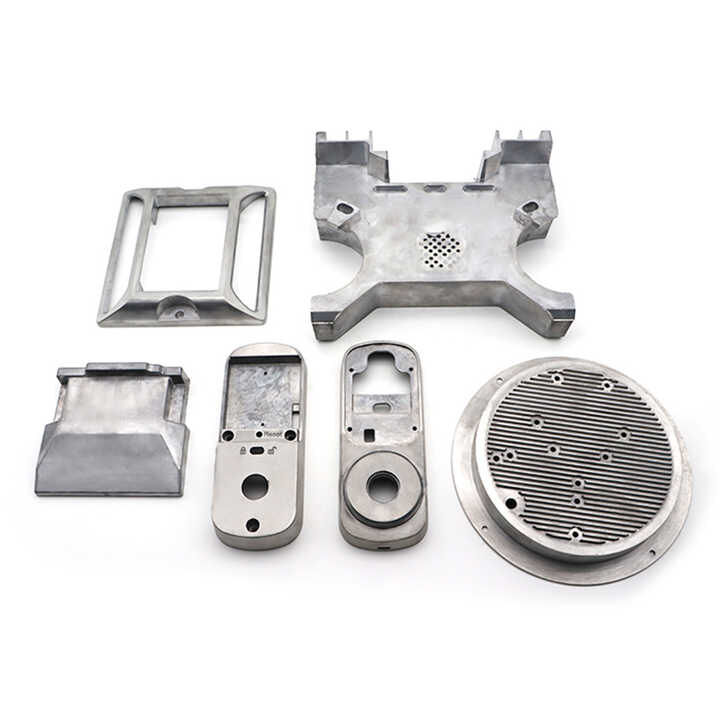
Aerospace Applications of Light Weight Aluminum Spreading
Light weight aluminum spreading plays a crucial role in aerospace applications by making it possible for the manufacturing of light-weight architectural parts that enhance fuel efficiency. Furthermore, the precision of light weight aluminum casting permits the creation of intricate engine components, which are important for peak efficiency and reliability. This combination of lightweight materials and exact engineering placements aluminum casting as a vital technology in the aerospace industry.
Light-weight Architectural Parts
In the pursuit for boosted efficiency and efficiency in aerospace applications, lightweight architectural elements have come to be progressively crucial. Aluminum spreading plays a crucial role in this endeavor, giving producers with the capability to create components that are both strong and light-weight. The low density of aluminum permits significant weight decreases without compromising architectural integrity, which is critical for airplane efficiency and fuel performance. On top of that, light weight aluminum spreadings can be engineered to fulfill certain style demands, enabling the production of intricate geometries that standard production techniques might struggle to attain. This convenience not just simplifies production procedures however likewise contributes to total expense financial savings. As the aerospace market continues to emphasize sustainability, the demand for lightweight light weight aluminum parts is anticipated to climb, even more advancing advancement in manufacturing.
Precision Engine Components
Producers progressively rely upon aluminum spreading to produce accuracy engine parts for aerospace applications, driven by the product's special residential properties. Light weight aluminum's lightweight nature significantly minimizes total airplane weight, improving gas effectiveness and performance. Its exceptional rust resistance warranties longevity in rough environments, making it perfect for vital engine parts. Additionally, aluminum spreading allows for tight resistances and complex designs, crucial for enhancing engine efficiency and reliability. The casting process additionally supports automation, enabling suppliers Recommended Reading to satisfy high need while keeping quality requirements. As aerospace innovation remains to development, the duty of light weight aluminum casting in creating accuracy engine components will certainly be essential in accomplishing higher performance and technology in aircraft layout and functionality.
Sustainability and Environmental Benefits
The expanding emphasis on sustainability in manufacturing has placed light weight aluminum casting as a leading remedy for environmentally conscious manufacturing. This process makes use of recycled light weight aluminum, which considerably decreases energy usage contrasted to primary aluminum manufacturing. By leveraging scrap metal, makers can reduce their carbon footprint and decrease waste, aligning with worldwide sustainability objectives.
Additionally, light weight aluminum spreading generates fewer hazardous discharges, adding to a cleaner environment. The light-weight nature of light weight aluminum also enhances gas efficiency in transportation applications, further advertising green techniques.
Furthermore, the durability and rust resistance of aluminum result in longer product lifespans, lowering the requirement for constant replacements and saving sources. As sectors increasingly prioritize lasting choices, light weight aluminum casting attracts attention as an ingenious method that not only satisfies manufacturing demands but also supports ecological stewardship. This commitment to sustainability positions light weight aluminum casting as a critical gamer in the shift towards a greener production landscape.
Price Efficiency in Production
Price effectiveness is a substantial advantage of aluminum spreading, enhancing its sustainability advantages - Aluminum Foundry. The process of aluminum spreading permits the production of complicated forms with minimal waste, which is specifically essential in a competitive production atmosphere. Using aluminum minimizes energy costs, as it has a lower melting factor contrasted to various other steels, leading to decreased power consumption during production
In addition, aluminum's light-weight buildings add to decrease shipping and handling costs, additionally boosting total cost performance. The sturdiness and rust resistance of aluminum actors items likewise indicate that they need less maintenance and replacement with time, leading to long-lasting cost savings for manufacturers.
Furthermore, developments in casting modern technologies, such as boosted mold designs and automation, have structured manufacturing processes, decreasing labor costs and increasing result performance. On the official website whole, price effectiveness in light weight aluminum casting plays an important function in maximizing manufacturing procedures and supporting competitive pricing approaches.
Future Fads in Aluminum Casting
The future of aluminum spreading is significantly formed by developments in automation and lasting material technologies. Automation innovations are anticipated to improve efficiency and accuracy in the spreading process, while lasting practices intend to reduce environmental impact. Together, these patterns assure to redefine production standards and techniques within the light weight aluminum casting market.
Automation in Aluminum Casting
Accepting automation is changing aluminum spreading procedures, leading the way for boosted effectiveness and precision. Automated systems enhance manufacturing by reducing human intervention, lowering mistakes, and enhancing throughput. Technologies such as robotic arms and computer system numerical control (CNC) devices permit consistent and precise shaping of aluminum parts. Furthermore, smart sensing units monitor different specifications in genuine time, making sure suitable problems throughout the spreading procedure. This combination of automation not only reduces lead times however likewise boosts item high quality by preserving tighter tolerances. As producers progressively take on these sophisticated technologies, the light weight aluminum casting market is set to experience considerable renovations in functional effectiveness, cost-effectiveness, and competition in the global market.
Lasting Product Innovations

Often Asked Questions
What Kinds of Aluminum Alloys Are Commonly Utilized in Spreading?
Commonly made use of light weight aluminum alloys in casting include 356, 380, and 413. These alloys are favored for their outstanding fluidness, stamina, and deterioration resistance, making them ideal for a range of commercial applications.
Just How Does Light Weight Aluminum Spreading Compare to Other Steel Casting Techniques?
Light weight aluminum casting normally supplies lower weight, premium corrosion resistance, and far better thermal conductivity compared to other steel casting methods. Furthermore, it allows for intricate layouts and faster production cycles, enhancing general production effectiveness and efficiency.
What Industries Advantage The Majority Of From Aluminum Casting?
The automotive, aerospace, and electronics industries profit most from light weight aluminum spreading. These fields utilize its lightweight, corrosion-resistant residential or commercial properties to improve performance, reduce fuel consumption, and enhance total item efficiency, making aluminum spreading significantly important.
Are There Particular Design Limitations With Aluminum Casting?
Yes, aluminum casting has layout restrictions, consisting of limitations on wall surface thickness, complicated geometry obstacles, and potential issues with achieving limited tolerances (Aluminum Casting Company). These variables can influence the overall stamina and capability of the last product
How Is Quality Control Maintained in Light Weight Aluminum Spreading Processes?
Quality assurance in light weight aluminum casting procedures is preserved via extensive inspections, adherence to standard procedures, and using advanced technologies. Regular surveillance warranties dimensional accuracy, surface stability, and material uniformity throughout production, advertising overall integrity.
As the auto market increasingly prioritizes lightweight products to boost gas performance and efficiency, light weight aluminum spreading has arised as a crucial solution. Aluminum spreading plays a crucial duty in aerospace applications by allowing the production of lightweight structural components that improve gas performance. Expense efficiency is a substantial advantage of light weight aluminum casting, matching its sustainability benefits. Accepting automation is changing aluminum casting procedures, leading the way for enhanced effectiveness and precision. Recycled light weight aluminum usage has acquired traction, substantially reducing use this link energy consumption compared to key aluminum production.